

 Serengeti National ParkEndless plains, exceptional predators and the Great Migration.
What is the Great Migration?
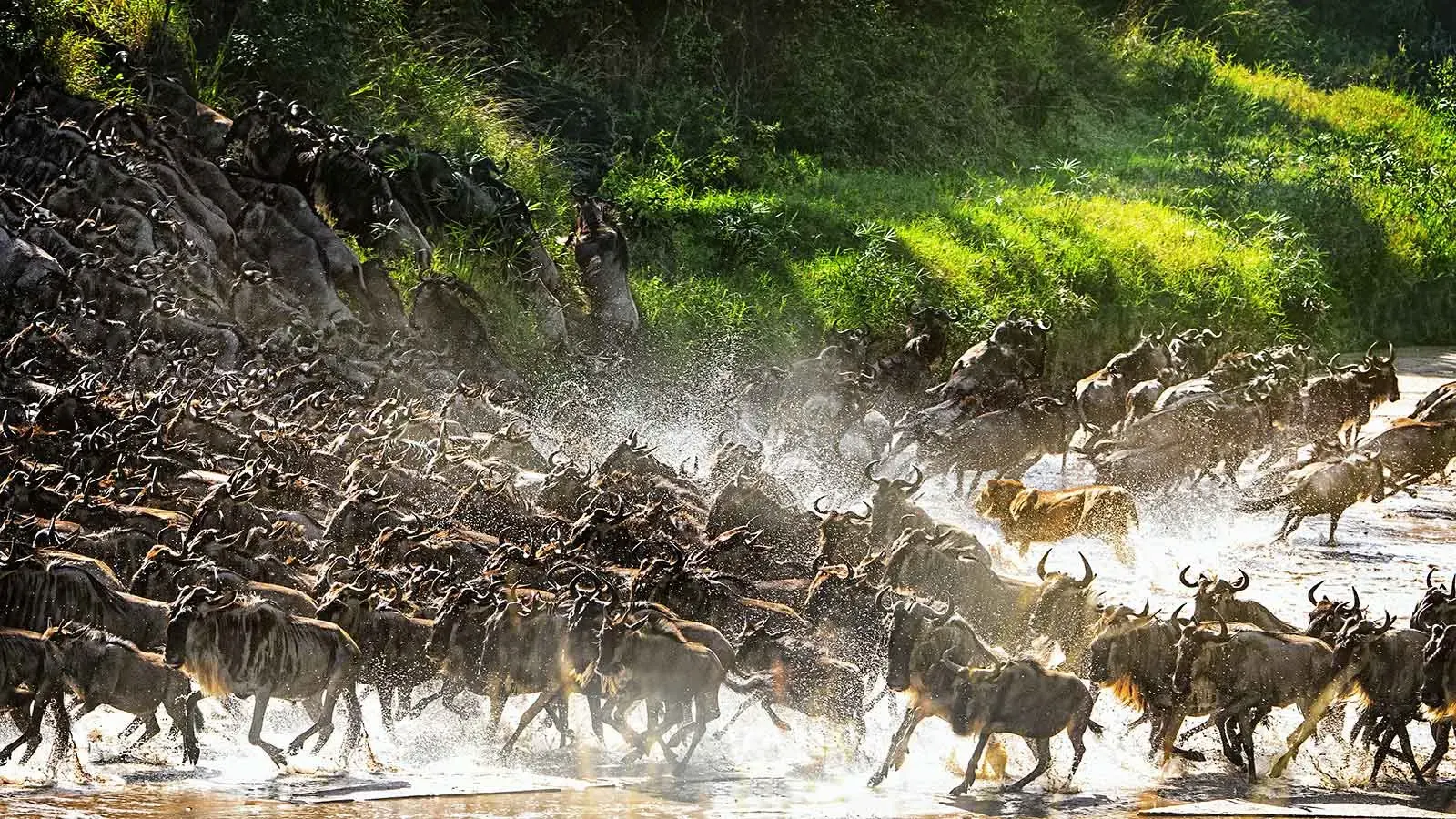
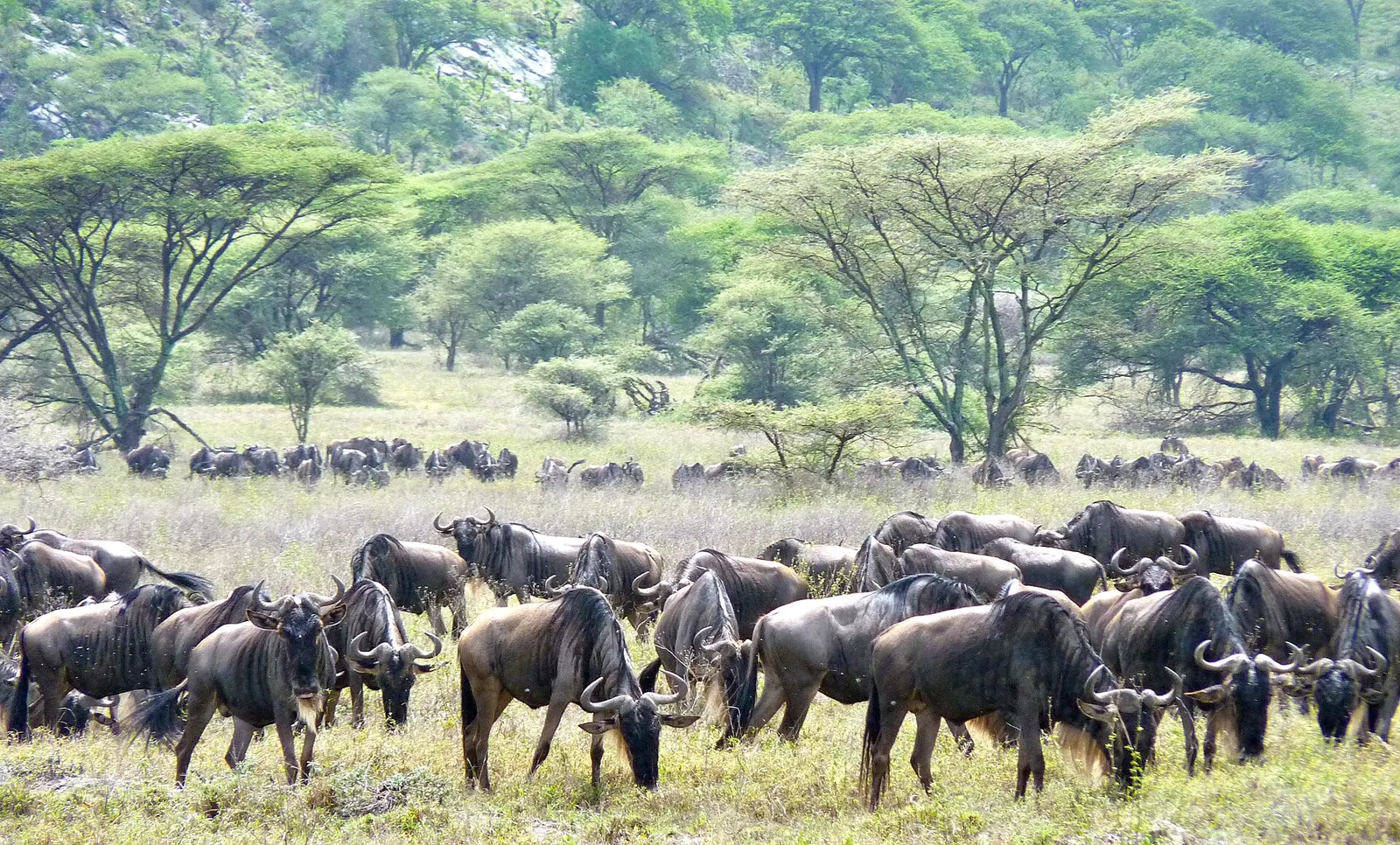
The Great Migration is the year-round movement of roughly 1.5 million wildebeest, together with hundreds of thousands of zebras and gazelles, around the Serengeti–Mara ecosystem. The herds follow the rains in search of fresh grazing and water.
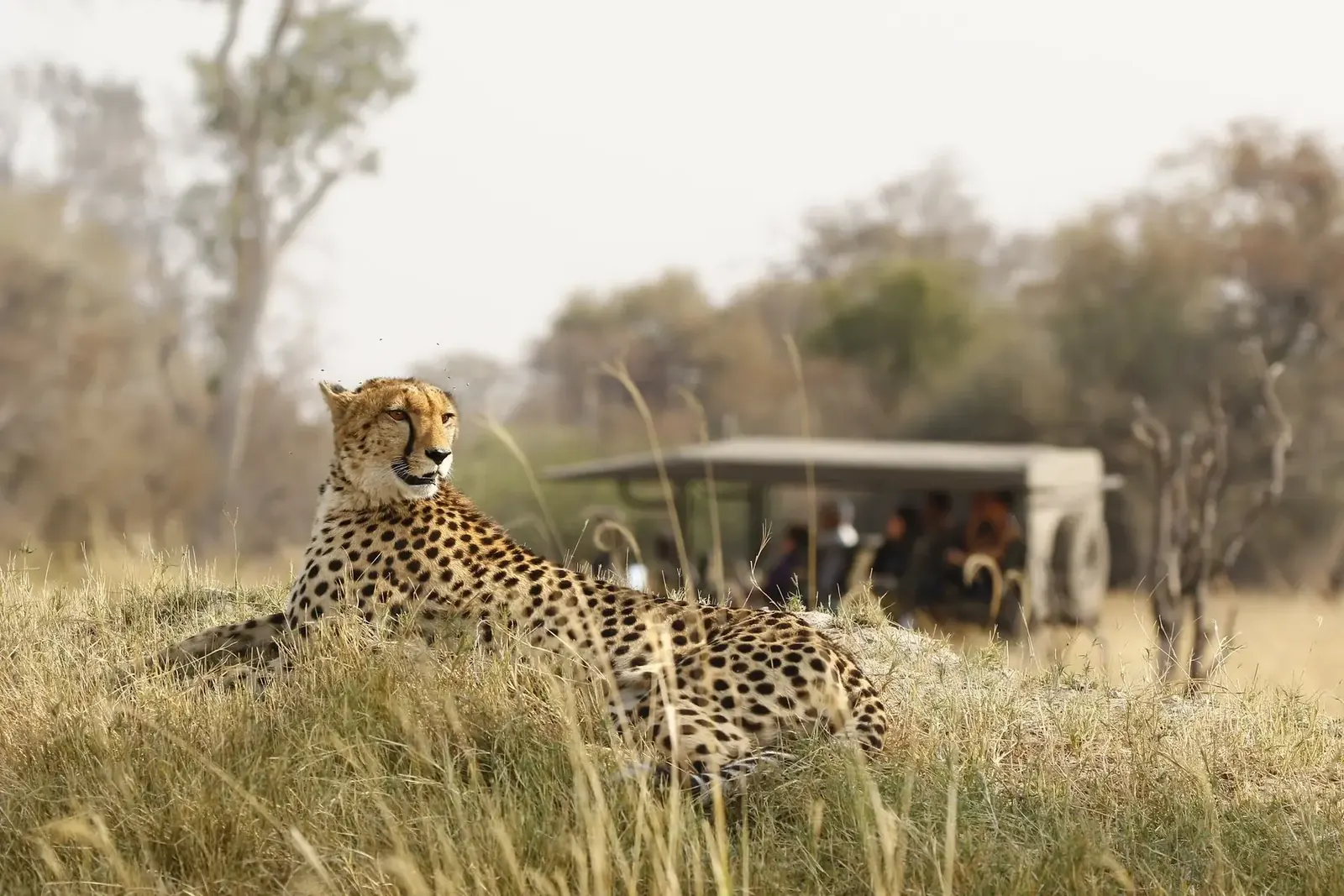
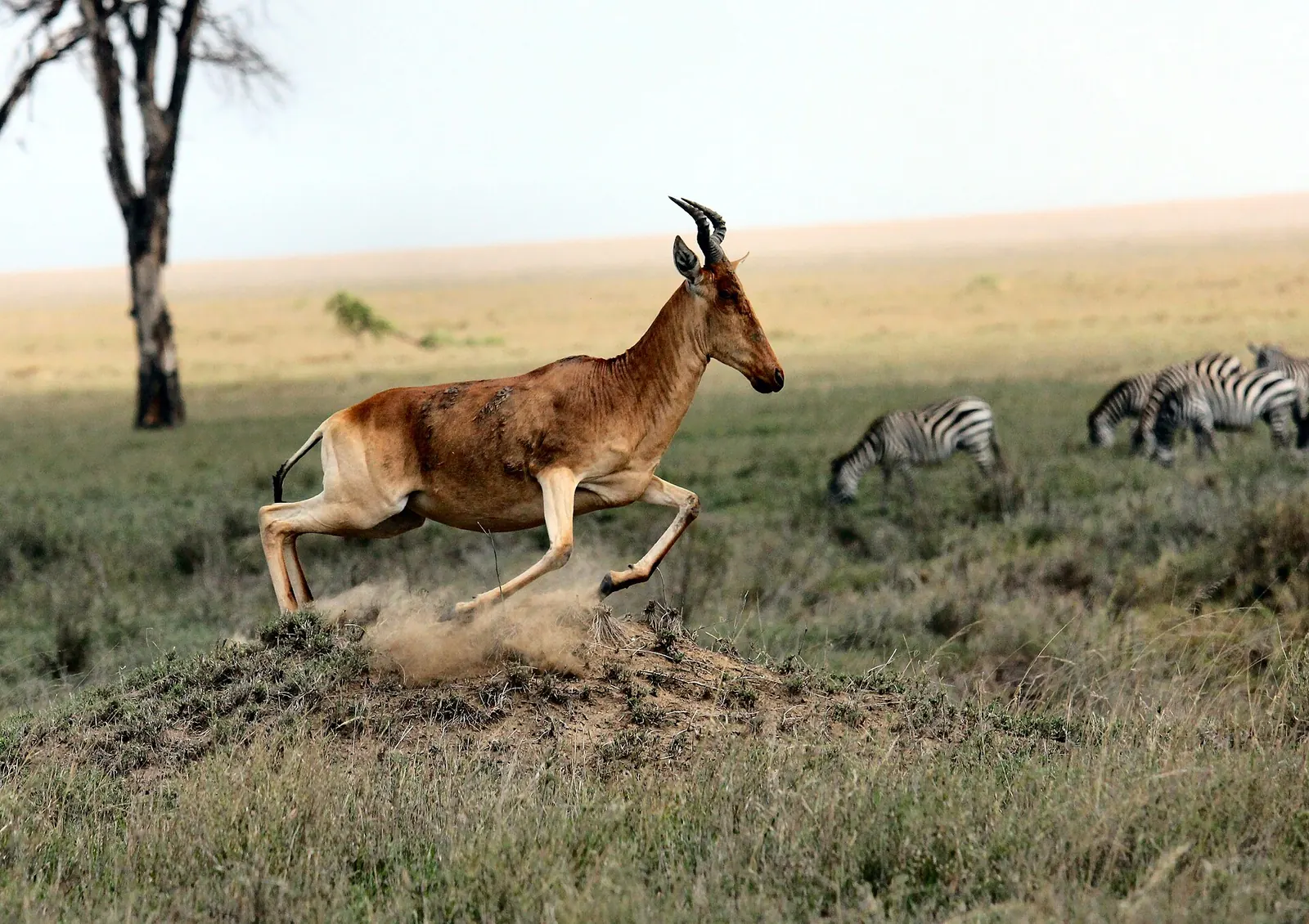
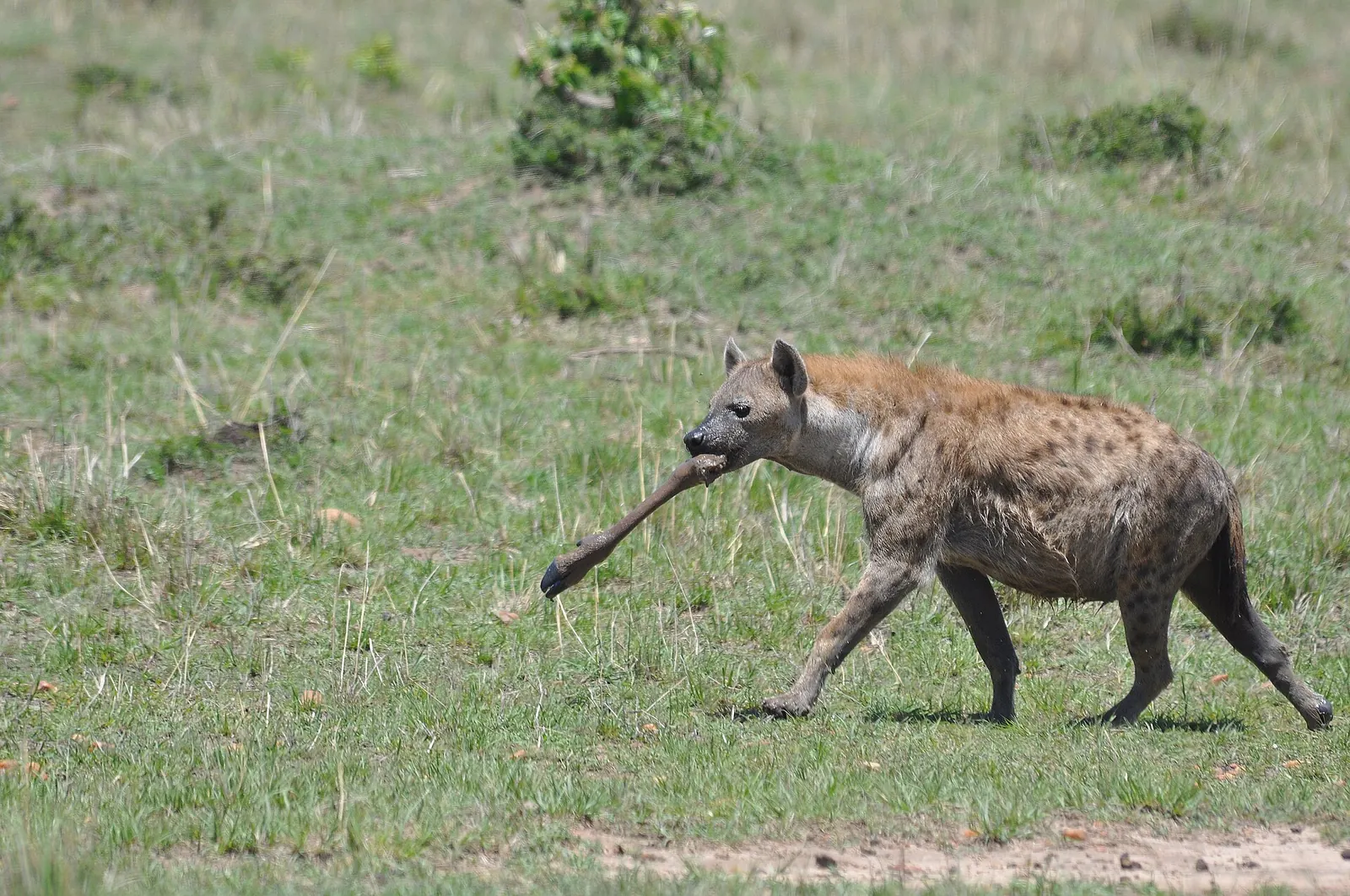
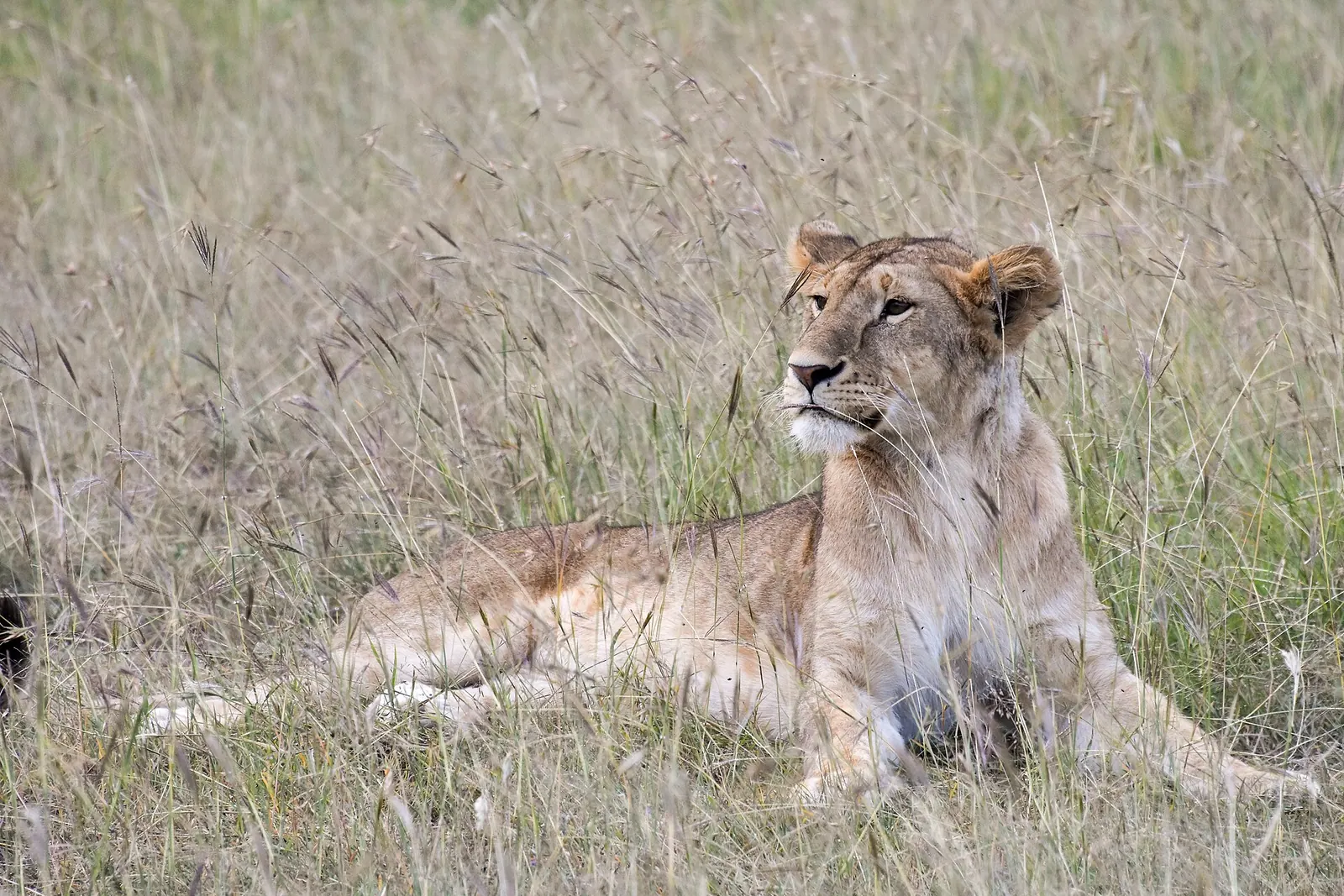
It is not a single event but a continuous cycle, and predators such as lions, hyenas, cheetahs and crocodiles follow every step.
Where the herds are, month by month
December to March: the herds graze the short-grass plains of the southern Serengeti and Ndutu. Calving peaks from late January to early March, with around 8,000 calves born a day.
April to May: the long rains begin and the herds start moving north and west through the central Serengeti.
June to July: the herds gather in the Western Corridor, crossing the Grumeti River, then push north. July to October: the herds reach the northern Serengeti and the Mara River, where the famous crossings take place. November: the short rains draw them back south.
What a migration safari can promise
Nature does not follow a timetable. The timing shifts each year with the rains, and a river crossing can happen in minutes or not at all on a given day. What a good migration safari offers is the best possible positioning and the patience to wait.
That is why we place you in camps close to the herds for your travel month and keep your schedule flexible, with experienced guides who share information across the region.
Planning tips
Book early for July to September and for the calving season, as camps near the herds fill fast. Allow at least three or four nights in the Serengeti, and consider flying between regions to maximise time with the herds.
Our 11-day Serengeti Migration Safari is designed around this seasonal movement, and every route can be adjusted to your dates.